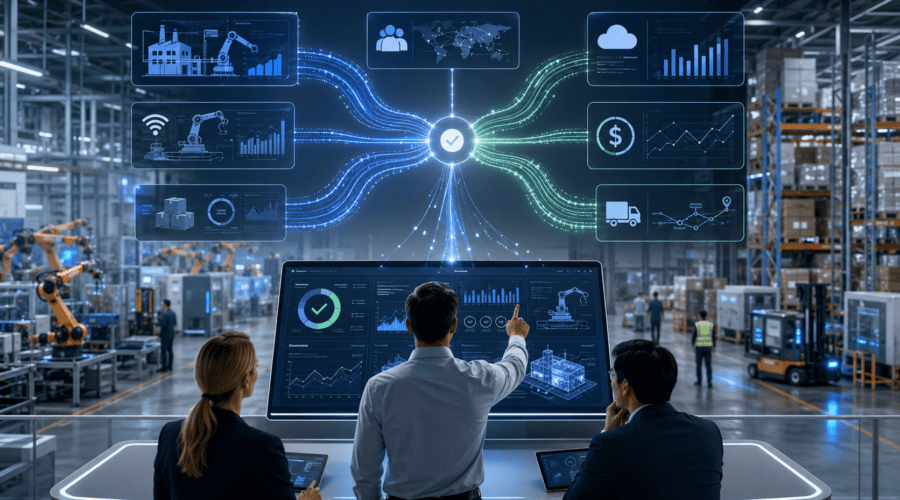
Data is no longer the differentiator. For years, manufacturers have invested heavily in digital transformation. ERP systems, MES, IoT sensors, warehouse management platforms, financial applications, and supply chain software have become essential parts of modern operations. The result is clear: manufacturers have access to more data than ever before. But despite these investments, many organizations continue to face the same...
Supply chains have become increasingly complex. Global disruptions, changing customer expectations, supplier variability, and fluctuating demand have made traditional planning methods less effective than ever before. While organizations continue to invest in ERP systems, procurement platforms, warehouse management systems, and logistics tools, many still struggle to answer fundamental questions: Where are the biggest risks in our supply...
Financial reports tell you what happened, but financial foresight tells you what happens next. For manufacturers and distributors, this distinction has never been more important. Margins are tightening, supply chains remain unpredictable, customer demand changes overnight, and operational costs continue to fluctuate. In this environment, looking at last month’s financial statements isn’t enough to make tomorrow’s decisions. The organizations outperforming their...
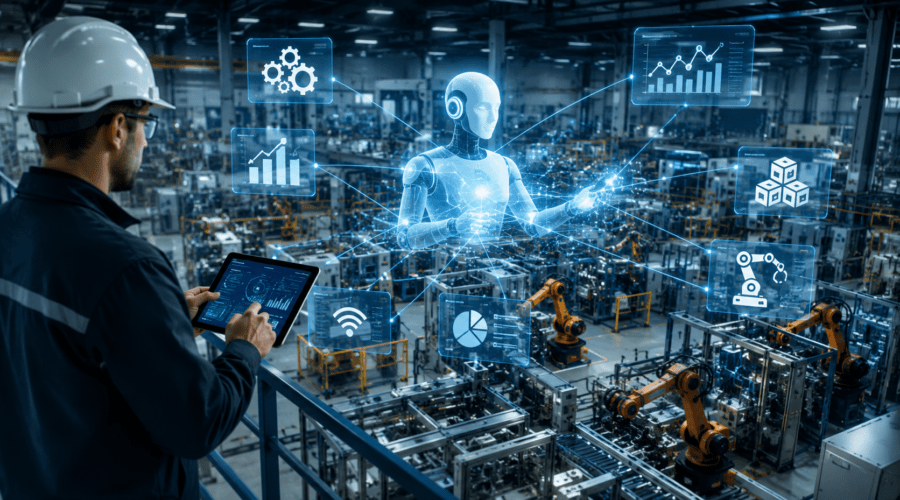
For years, manufacturers have invested in automation to improve efficiency, reduce costs, and streamline operations. Yet despite these advancements, many critical decisions still rely on manual analysis, disconnected systems, and delayed reporting. Today, a new generation of technology is emerging as AI agents. As manufacturers face increasing pressure to improve margins, optimize inventory, and respond faster to market changes, AI...
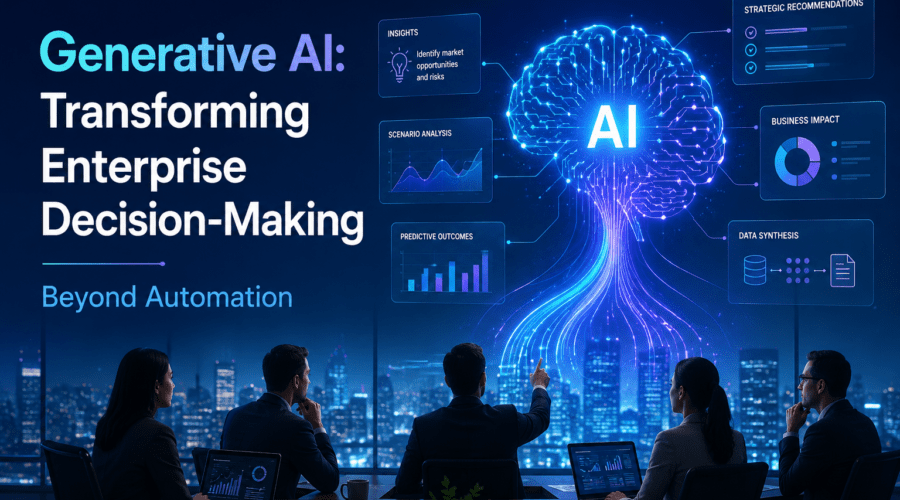
Artificial Intelligence has evolved far beyond automating repetitive tasks. Today, Generative AI is reshaping how businesses interact with data, empowering leaders to ask complex questions, receive intelligent insights, and make decisions faster than ever before. For enterprises dealing with fragmented systems, growing datasets, and increasing market uncertainty, Generative AI is no longer a futuristic concept; it is becoming...
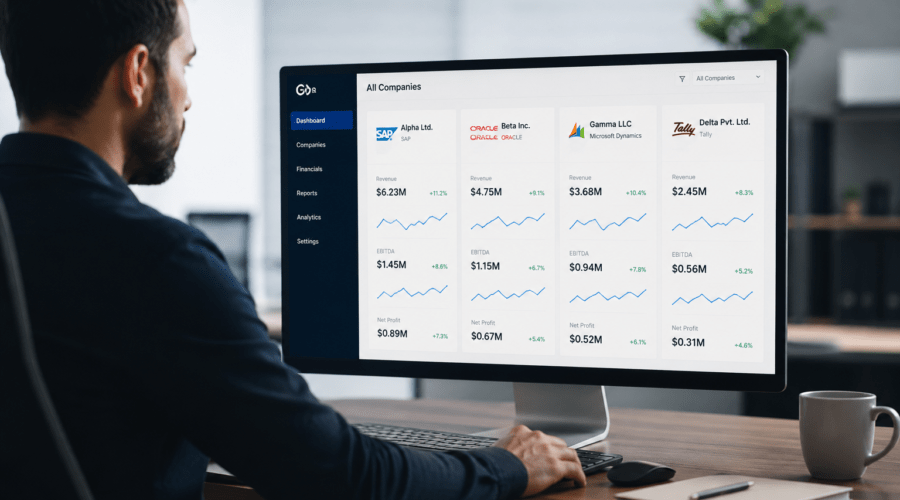
For growing enterprises, managing financial performance becomes increasingly complex as new business units, subsidiaries, and acquisitions are added to the organization. One company may operate on SAP, another on Microsoft Dynamics, while a third relies on NetSuite or another ERP platform. While each system serves its purpose, finance teams often face a common challenge: obtaining a unified...
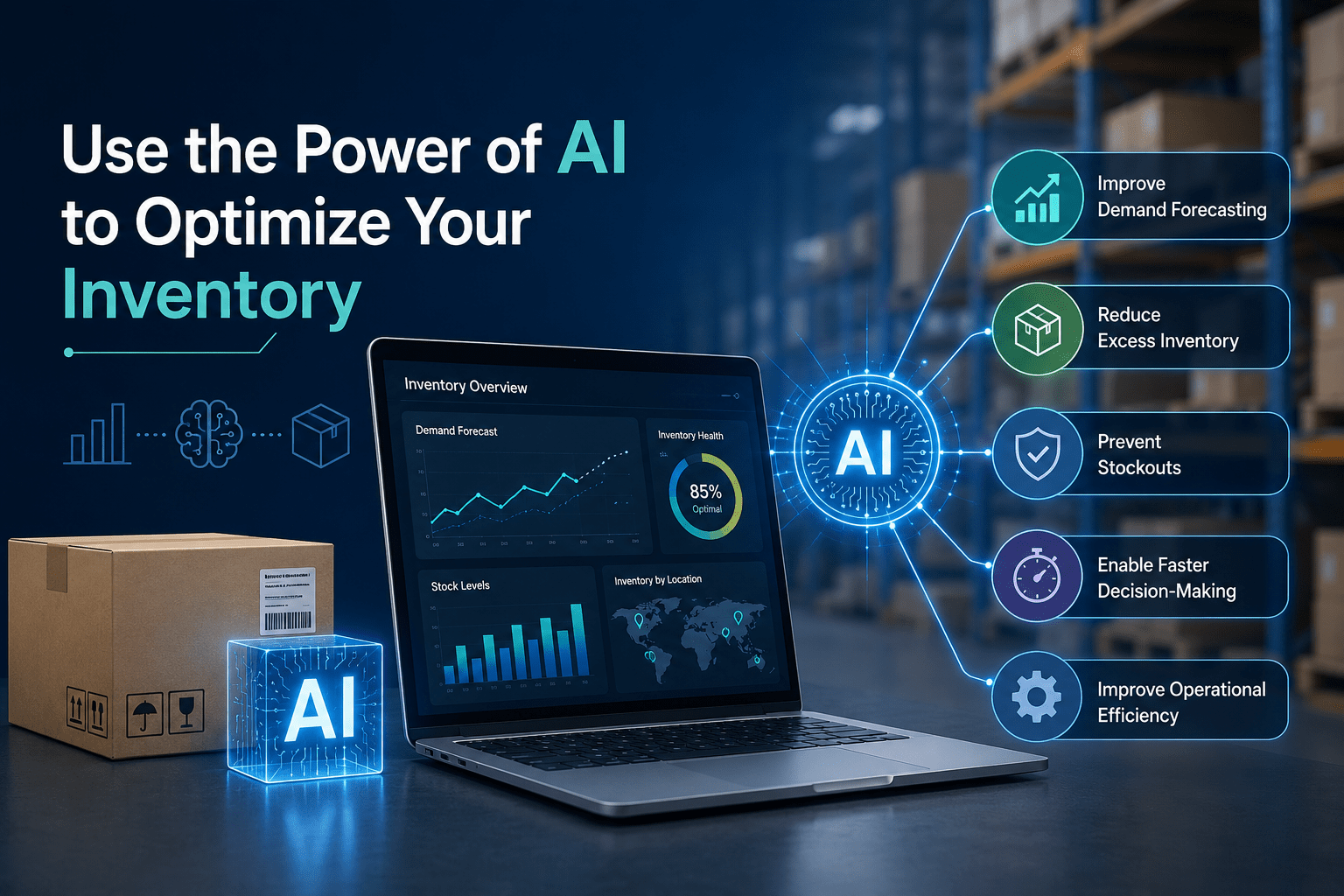
Inventory management is a constant balancing act. Carry too much inventory, and businesses face higher storage costs, tied-up capital, and increased waste. Carry too little, and stockouts can disrupt production, delay customer orders, and impact revenue. In today’s fast-moving business environment, traditional inventory management methods often struggle to keep pace with changing demand patterns, supply...
For years, businesses relied on spreadsheets, historical reports, and manual analysis to make predictions. While these traditional methods provided a starting point, they often struggled to keep pace with rapidly changing markets, shifting customer behavior, and increasing volumes of data. Today, Artificial Intelligence is changing. AI-powered forecasting is helping organizations move beyond static predictions and toward...
Inventory optimization has always been one of the most critical parts of supply chain management. Get it right, and businesses maintain healthy stock levels, reduce waste, and meet customer demand efficiently. Get it wrong, and the consequences quickly show up in the form of stockouts, overstocking, delayed deliveries, and lost revenue. Yet despite operating in a data-driven world, many businesses still...
Production planning has always been at the heart of manufacturing. But today, it’s becoming increasingly complex. Demand is unpredictable; supply chains are volatile, and operational dependencies are more interconnected than ever. Traditional planning methods, built on static data, manual inputs, and periodic reviews, are no longer enough. This is where AI is stepping in to redefine how...