Category

Financial Foresight
Financial Foresight: Moving from Financial Reporting to Financial Anticipation

Moving from Financial Reporting to Financial Anticipation 

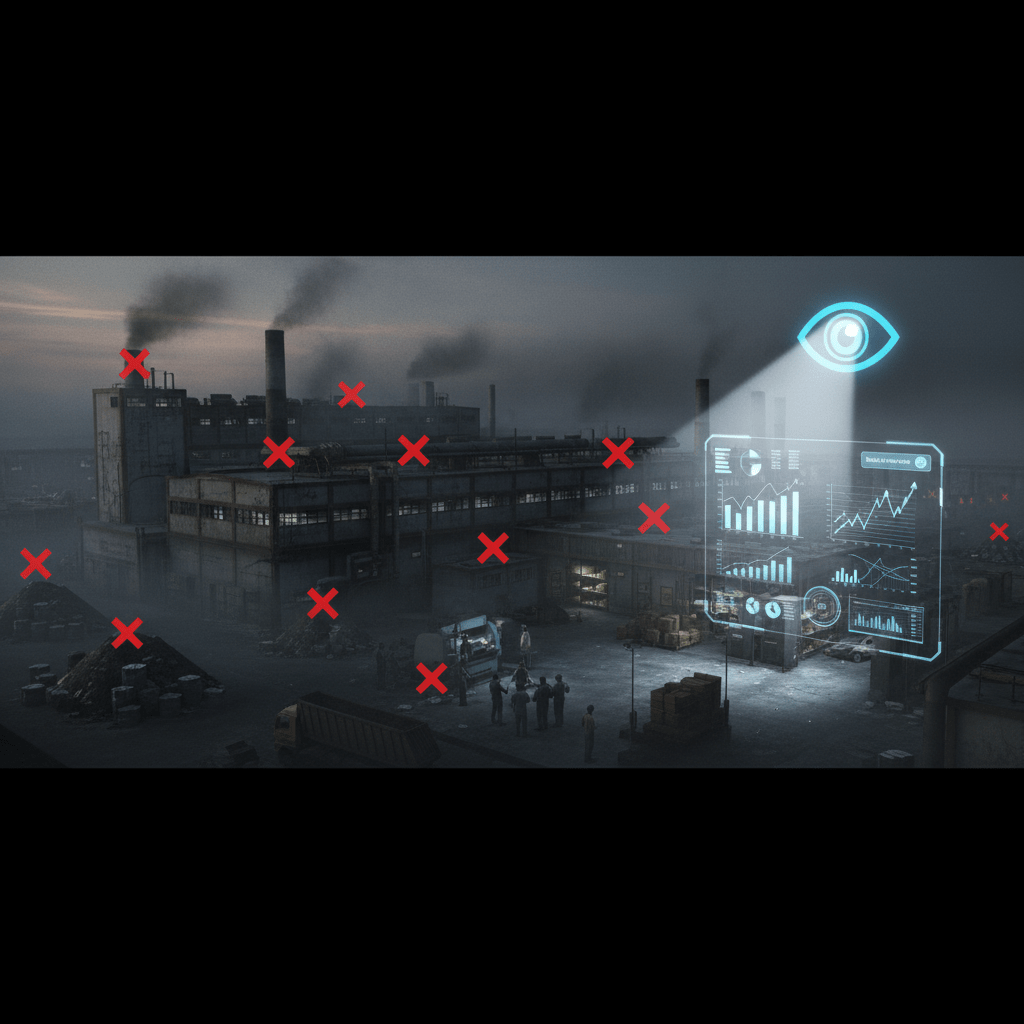
Manufacturing profitability can change long before it appears in a financial report.  A supplier changes pricing. Material costs increase. Production runs have become less efficient. Demand shifts toward lower-margin products. Freight costs rise. Pricing decisions fail to keep pace with changing input costs.  Individually, these may look like operational events. Together, they can significantly affect revenue, costs, and margins.  […]

Financial Foresight

Why the Future of Manufacturing Depends on Seeing Beyond the Numbers 

Financial reports tell you what happened, but financial foresight tells you what happens next.  For manufacturers and distributors, this distinction has never been more important. Margins are tightening, supply chains remain unpredictable, customer demand changes overnight, and operational costs continue to fluctuate. In this environment, looking at last month’s financial statements isn’t enough to make tomorrow’s decisions.  The organizations outperforming their […]

Manage Multiple Company Financials from One Screen, Even Across Different ERP Systems

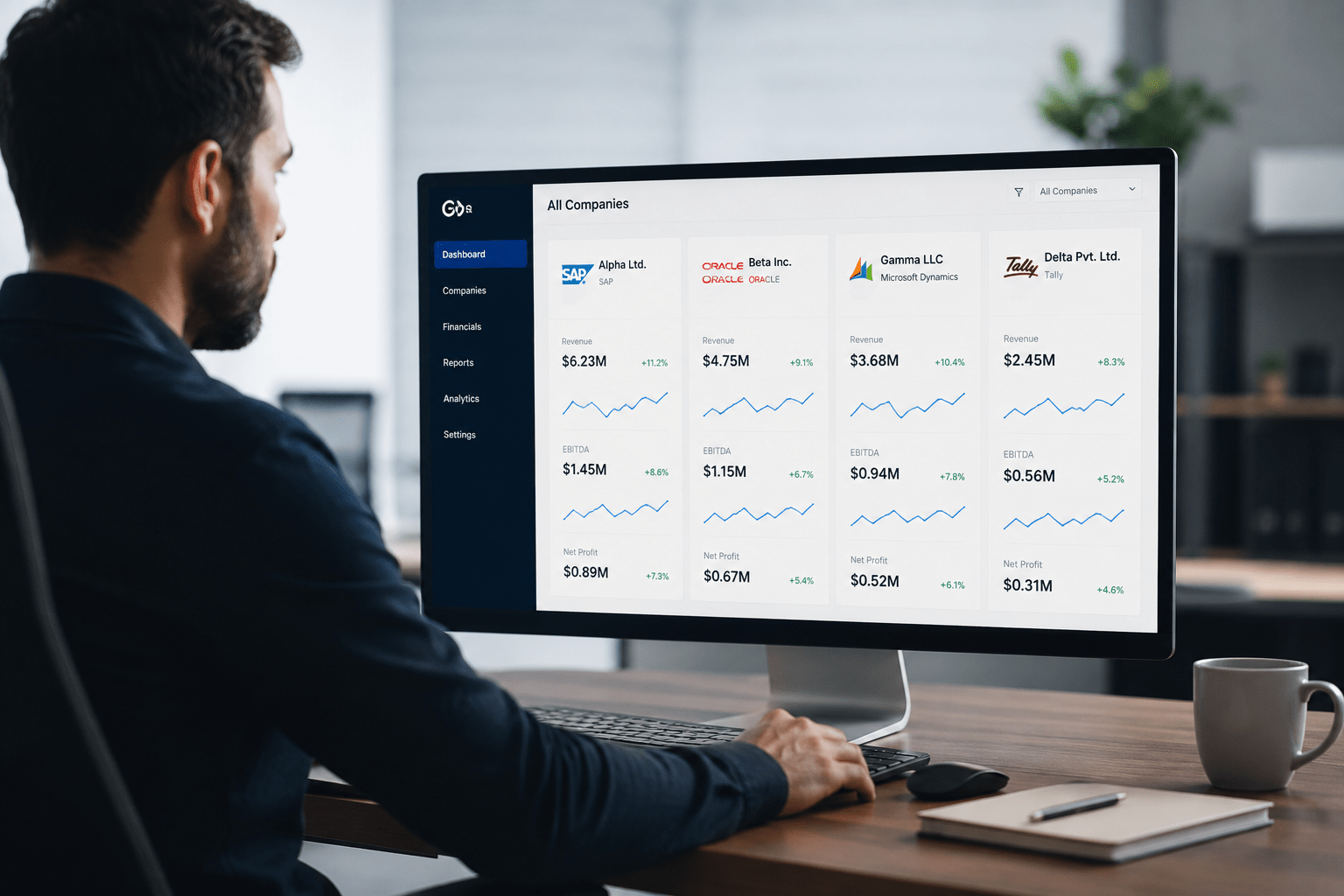
Manage Multiple Company Financials from One Screen, Even Across Different ERP Systems 

For growing enterprises, managing financial performance becomes increasingly complex as new business units, subsidiaries, and acquisitions are added to the organization.  One company may operate on SAP, another on Microsoft Dynamics, while a third relies on NetSuite or another ERP platform. While each system serves its purpose, finance teams often face a common challenge: obtaining a unified […]

Why Short-Term Cost Savings Can Hurt Your Long-Term Resilience

Why Short-Term Cost Savings Can Hurt Your Long-Term Resilience

Procurement teams are under constant pressure to reduce costs. In many organizations, savings are the key metric for measuring procurement success. And while cost reduction is essential, the truth is this:  Aggressive cost-cutting can weaken long-term resilience.  When procurement teams chase the lowest price, they often overlook the bigger risks, supplier dependency, quality issues, limited innovation, […]

Scenario Planning The New Playbook for Modern CFOs

Scenario Planning: The New Playbook for Modern CFOs

For decades, the annual budget has been the foundation of financial planning. Finance teams would spend months forecasting revenue, estimating costs, and setting targets for the year ahead. Once approved, the budget became the roadmap guiding decisions across the organization. But today’s business environment is far more volatile. Supply chain disruptions, price instability, and rapidly […]

The Manufacturing Finance Annual Planning Checklist for 2026

The Manufacturing Finance Annual Planning Checklist for 2026: 23 Decisions Your Finance Team Must Make  

Manufacturing finance leaders are entering 2026 with a sharper mandate than ever before: protect profitability while enabling growth in an industry that continues to deal with price fluctuations, capacity constraints, workforce shortages, compliance obligations, and constant digital disruption.  Your role is no longer simply reporting financial results. Your role is shaping what happens next.  Annual planning […]

8 Working Capital Ratios Manufacturing CFOs Should Obsess Over

8 Working Capital Ratios Manufacturing CFOs Should Obsess Over  

In the high-stakes world of manufacturing, cash is oxygen. For CFOs and finance leaders, the ability to anticipate cash needs, manage liquidity, and optimize working capital can spell the difference between smooth operations and supply-chain disruptions, delayed payroll, or missed opportunities for growth.  That’s why, beyond just tracking P&L and sales performance, modern finance teams […]

12 Financial Metrics Manufacturing CFOs Must Monitor Daily

🚀12 Financial Metrics Manufacturing CFOs Must Monitor Daily 

The New Playbook for Daily Financial Foresight in Manufacturing  Picture this:  Production schedules are aligned.   Order fulfillment looks stable.   Supply chain signals are green.   Margins are on track.  That was last night.  By morning, three small disruptions emerge:  Alone, each shift is manageable.   Together, they can close margin gaps, delay revenue recognition, and lock up […]