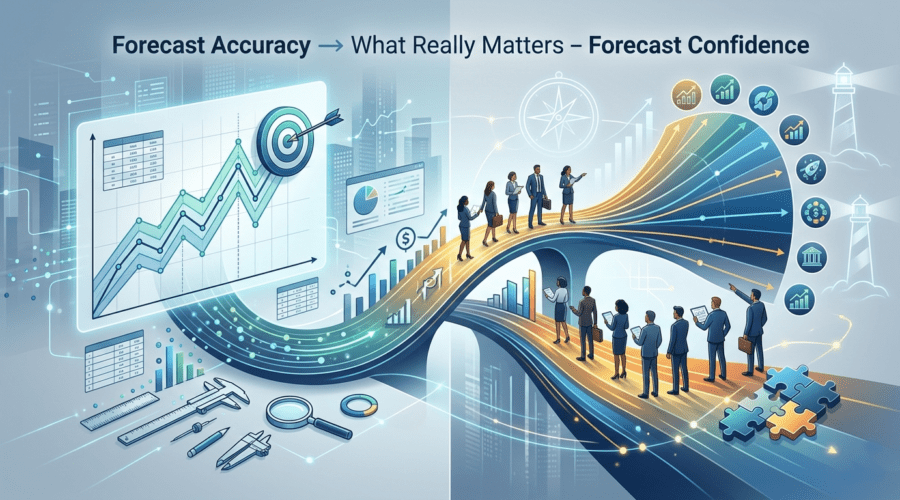
In most organizations, forecast accuracy is treated as the gold standard. If forecasts closely match actual outcomes, the system is considered effective. But accuracy alone can be misleading. Because hitting the right number once doesn’t mean you can trust the next one. And in today’s fast-moving supply chains and financial environments, trust, not just precision,...
An AI-Powered Assessment & Mitigation Framework for Resilient Supply Chains In 2026, supplier risk management no longer sits quietly inside procurement playbooks or compliance checklists. It sits at the intersection of operations, finance, strategy, and leadership trust. What used to be considered “supplier issues” are now enterprise risks. A late shipment doesn’t just delay production. A...
For most supply chain leaders, “visibility” has become one of those words everyone agrees is important but few organizations truly achieve. On paper, the systems are in place. There’s an ERP, a warehouse system, a transportation platform, maybe a planning tool layered on top. Data exists everywhere. And yet, when a disruption hits or demand...
In many manufacturing organizations, demand forecasting is treated as a monthly ritual. Data is pulled, assumptions are debated, spreadsheets are adjusted, and a number is finalized. That number then quietly becomes one of the most powerful forces in the business. It determines what gets produced, what gets purchased, how much cash is tied up in inventory, and how confident...
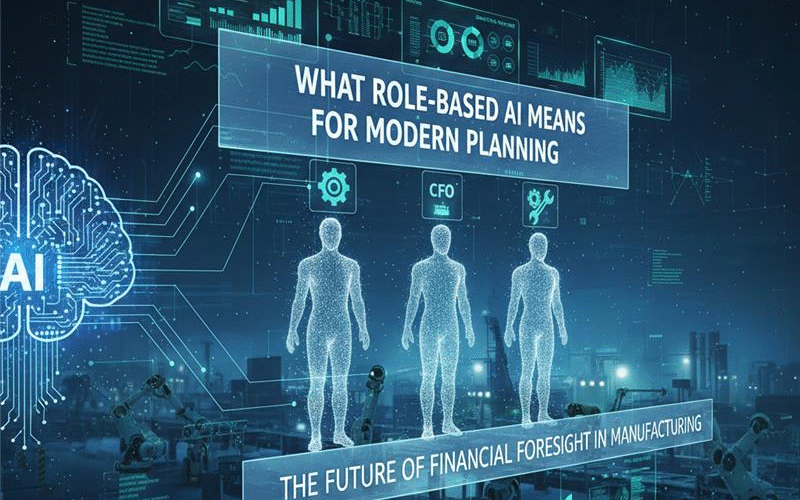
Planning in manufacturing has always required a mix of experience, intuition, and structured processes. But today, the landscape has changed. Supply chains shift overnight, production cycles tighten, customer expectations rise, and financial pressure becomes sharper every year. In this environment, traditional planning methods—even digital dashboards and monthly reports—are no longer enough. That’s where role-based AI...
Why Inventory Planning Still Defines Manufacturing Success In manufacturing, inventory isn’t just about stock, it’s the lifeblood of operations. Every product shipped, every machine run, and every order fulfilled depends on one thing: how well your inventory is planned. Yet, despite advanced systems and decades of experience, many manufacturers still face the same challenge: balancing...
Turning Manufacturing Data into Real-Time Decisions Factories today never stop moving — machines hum, teams collaborate, and shipments roll out. But behind all this motion lies one question every manufacturing leader asks: Are your decisions powered by insight or just instinct? The Challenge: When Data Doesn’t Talk Every manufacturer sits on a goldmine of data...
Every day, enterprises face high-stakes decisions—balancing supply chains, predicting demand, keeping customers satisfied—all while navigating global disruptions and tight margins. One misstep can ripple across operations, costs, and reputation. Nava Ai steps in as a game-changer, turning complex data into clear, real-time insights that drive smarter, faster decisions. Purpose-built for the demands of modern businesses,...
In an era where supply chains define success, procurement is a cornerstone of manufacturing growth. Selecting suppliers with the right balance of cost, quality, and reliability—is no longer optional; it’s essential. Nava Ai’s Smart Sourcing solution revolutionizes this process, using advanced AI to recommend right supplier based on cost quality and reliability to deliver unparalleled...
Achieving consistent revenue growth requires more than reviewing past numbers. It demands a clear understanding of performance, accuracy in forecasting, and timely decisions based on real-time insights. Nava Ai’s Sales Analytics Solution offers a comprehensive, 360-degree view of sales performance, enabling businesses to monitor, measure, and act with clarity. Built with practical intelligence and structured...